
Build Safer Workplaces Through Awareness, Prevention, and Preparedness
Every workplace that deals with electricity, whether occasionally or every single day, holds a level of risk that can’t be ignored. Power tools, control panels, exposed wires, and high-voltage machinery, all of these bring potential danger when handled without proper care. That’s why electric safety training is one of the most essential investments an organization can make. It doesn’t just protect the people doing the work, it protects the systems they rely on, the clients they serve, and the company’s long-term success. Getting safety right from the start isn’t just smart, it’s necessary.
In fast-paced environments, it’s easy to assume that experience alone is enough to stay safe. But electrical hazards aren’t always loud or obvious. A live wire doesn’t announce itself. An overloaded circuit doesn’t always show warning signs until it’s too late. Electric safety training helps employees recognize subtle signals, follow the right procedures, and respond with confidence when something goes wrong. From lockout/tagout methods to understanding arc flash boundaries, the content covered in a strong training program can mean the difference between a normal workday and a serious emergency.
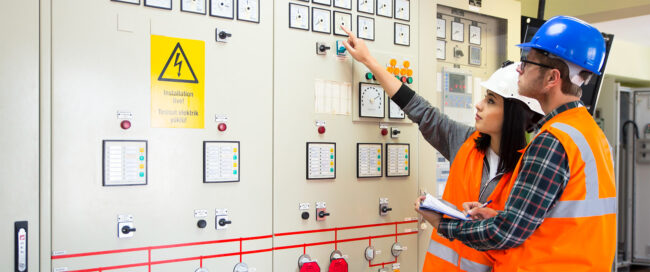
It’s not just about stopping accidents, though. It’s about creating an environment where safety is part of the culture. In workplaces with proper training, safety is second nature. New hires are introduced to high standards from day one, and seasoned professionals stay up to date on evolving risks and regulations. That consistent reinforcement builds a team that communicates better, watches out for each other, and knows how to act before a hazard becomes a problem. The best results happen when safety becomes a habit, not hesitation.
Training programs also help break down technical barriers. They turn jargon into actionable knowledge and build confidence in people who might not have formal electrical backgrounds. Whether it’s a technician working directly with wiring or a supervisor managing projects from a distance, everyone benefits from understanding how to reduce risk. The more people who know what to do, the fewer mistakes are made. And when unexpected situations arise, because they will, a well-trained team reacts faster and smarter. It’s not about perfection, it’s about preparation.
There’s no question that electric safety training changes the way a company operates, from the shop floor to the top office. It lowers the risk of injury, reduces costly downtime, and boosts productivity in subtle but significant ways. It shows employees that their well-being matters and gives them the tools to protect themselves and each other. For businesses serious about safety, the decision is simple, don’t wait for an incident to prove what proper training could have prevented. Make electrical safety part of the foundation, and everything built on top of it will be stronger.
